
Invisalign & Clear Aligners
Invisalign and clear aligner treatment
Clear, removable aligners that straighten your teeth without the metal. We work with Invisalign and other clear aligner systems, plan each case with 3D digital imaging, and show you the expected result on screen before you commit.
What Invisalign and clear aligners are
Clear aligner orthodontics straightens teeth using a custom sequence of virtually invisible plastic trays instead of metal brackets and wires. Each aligner is made to fit your teeth precisely at one specific stage of treatment, and as you move through the sequence, your teeth shift gradually into their planned final position. It is real orthodontics, not a cosmetic illusion. The same biology that makes braces work is doing the work here, just delivered through a better patient experience.
Invisalign is the best known clear aligner system and is the one we most commonly recommend, because it has the longest clinical track record, the broadest set of tools for complex movements, and the most predictable results for the kinds of cases most adults and teens need. It is also not the only clear aligner system on the market, and we evaluate each case individually to determine which aligner option fits best. Traditional metal braces remain a legitimate option for certain complex cases and we will say so if that is the right call for you.
The aligner systems we work with
Not every patient is an ideal candidate for the same aligner, and not every case demands the same toolset. Our practice works with multiple clear aligner systems so we can match the system to the case rather than forcing the case into a single product. In your consultation we walk you through which options are appropriate for your mouth, what the trade-offs are in cost, treatment time, and predictability, and we make a recommendation in plain language. You choose from there.
For the large majority of patients, Invisalign is the system we recommend. For certain simpler cases or specific patient circumstances, a different clear aligner system may be equally effective at a different price point. And for a small subset of complex cases, fixed orthodontics or referral to a specialist is the more honest answer. The goal is a stable, healthy result, not loyalty to any one brand.
How the process moves your teeth
A tooth moves when sustained gentle force is applied to it over time. Cells on one side of the tooth's root break down a bit of bone, cells on the other side build new bone, and the tooth migrates in the direction of the force. Invisalign delivers that force through precisely engineered plastic trays. Each tray is designed to be slightly different from the shape of your current teeth, just enough that when you wear it, it pushes certain teeth toward where the next tray expects them to be.
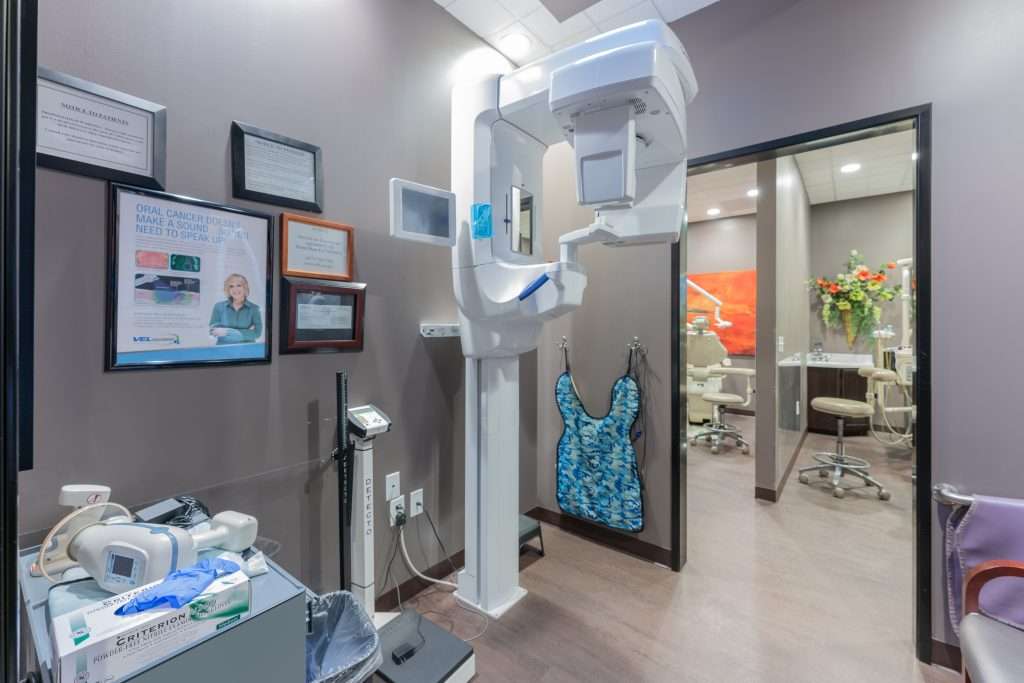
We start with a 3D iTero scan of your teeth and bite, then plan the entire movement sequence digitally. You see a full animation of the planned outcome before you ever commit to treatment. Once you approve the plan, your full series of aligners is fabricated and you move through them at home, usually changing trays every one to two weeks, with checkups every six to ten weeks so we can verify that your teeth are tracking the plan.
Who is a good candidate
Invisalign works for a wide range of cases:
- Mild to moderate crowding
- Spacing and gaps between teeth
- Crossbite, overbite, and underbite in many cases
- Relapse after previous orthodontic treatment
- Teen cases with a mix of erupting and fully erupted teeth
- Adults who do not want visible metal brackets for work or personal reasons
It is less ideal for severe skeletal bite problems, significant rotations of posterior teeth, and cases where growth modification is needed in younger kids still developing. Those cases may need traditional braces, combined treatment, or referral to an orthodontist for surgical orthodontics. The honest answer depends on the specifics of your mouth, which is why the consultation and scan come first.
The other requirement is discipline. Invisalign only works if you wear the aligners 20 to 22 hours a day. If your lifestyle makes that hard, braces may actually be the better fit because they are not removable and therefore do not depend on you remembering to put them back in.
Clear aligners versus traditional braces
Both work. The differences are in daily life and case suitability.
- Appearance. Clear aligners are nearly invisible. Braces are not. For adults in professional roles, this alone is often the deciding factor.
- Removability. Aligners come out for eating and cleaning. Braces do not, which means certain foods are off limits and oral hygiene takes more work.
- Comfort. Aligners have no sharp brackets or wires. There is some pressure when you change trays but almost no soft tissue irritation.
- Visit frequency. Clear aligner treatment typically needs checkups every six to ten weeks. Braces usually need adjustments every four to six weeks.
- Complexity ceiling. Braces can handle anything an orthodontist can do. Clear aligners handle the large majority of adult cases well but have a higher ceiling of complexity for a few specific movements.
- Treatment time. For comparable cases, aligners and braces finish in similar timeframes. Minor cases can be faster with aligners.
Why we do not support mail order aligners
Mail order aligner companies market themselves as a cheap, convenient alternative. The pricing is lower, the marketing is aggressive, and the actual medicine is thin. We do not offer these services and we actively steer patients away from them. Here is why.
Orthodontic tooth movement is a medical procedure. Before any movement is planned, a qualified provider needs to examine the mouth in person, verify that the teeth and gums are healthy enough to move, check for root resorption risk, and confirm that the planned movement is biomechanically sound. Mail order providers skip the in person exam entirely. They work from impressions or scans you take yourself, plan the case remotely, and ship you a full set of trays that you then use without supervision. If something goes wrong, which happens regularly, there is no dentist chairside to catch it.
Both the American Dental Association and the American Association of Orthodontists have issued public warnings against direct to consumer aligner treatment without in person supervision from a licensed dentist or orthodontist. Reported patient outcomes include teeth that shifted in unintended directions, worsening bite problems, damage to teeth and gums, and treatment that had to be abandoned partway through. When things go wrong, the money saved up front is often dwarfed by what it costs to correct the damage.
We supervise every clear aligner case we take on, whether Invisalign or another system. You see a dentist at every checkpoint, and if your teeth are not tracking the plan, we catch it and correct it immediately with a refinement. That supervision is the part that makes orthodontics safe.
What the clear aligner process looks like
- Consultation. We listen to what you want, look at your teeth, take photos, and walk you through whether Invisalign is a good fit. No commitment yet.
- Digital records. A 3D iTero scan of your teeth and bite, plus X-rays and photos if needed. No gooey impression material.
- Treatment planning. We design the movement sequence and generate a 3D animation of your expected result. You see your new smile before anything physical happens.
- Review and approval. We walk you through the plan, expected timeline, refinements, and cost. You approve before anything is fabricated.
- Aligner fabrication. Your full series of custom trays is manufactured and shipped to our office.
- Delivery appointment. We place any small tooth colored attachments your case needs, fit the first aligner, and teach you how to wear and care for them.
- Checkups. Brief visits every six to ten weeks to verify progress and hand off the next several trays.
- Refinement if needed. If any movement lags behind the plan, we scan again and order a small set of refinement aligners at no additional cost.
- Retainers. Final retainers to hold your new position permanently.
Retention and keeping your result
Teeth are living structures and they shift gently throughout life whether you have had orthodontic work or not. The only way to keep your clear aligner result stable is to wear retainers long term. Most patients wear a clear retainer full time for the first couple of months after active treatment, then switch to nights only indefinitely. Nights only is not a suggestion. It is the difference between a smile that holds its shape for decades and one that starts drifting back within a year.
We include retainers in every clear aligner treatment plan and replace them on a simple schedule as they wear out. Read more about our retainer options.
Cost, insurance, and financing
Clear aligner cost depends on the length and complexity of your case and the system used. Short, front tooth only cases are at the lower end. Full comprehensive cases that correct bite and alignment across the full arch are at the higher end. Invisalign typically sits at the premium end of the clear aligner market because of its clinical track record and the range of cases it can handle; other systems may be less expensive for simpler cases. We provide a written treatment plan and fee estimate before any work begins, so there are no surprises.
Many dental insurance plans include an orthodontic benefit that applies to Invisalign and clear aligner treatment, often a lifetime maximum of one to two thousand dollars. We verify this in advance and file claims directly. For the out of pocket portion, we offer Cherry financing, which breaks the case into monthly payments with your exact rate and terms shown before you sign.
See accepted insurance plans or request a clear aligner consultation online. Bring your goals and your questions. We will walk you through the realistic options, show you a preview of the result, and let you decide from there.
FAQ
Frequently asked questions
Common questions about Invisalign and clear aligner treatment.
Do you offer clear aligners other than Invisalign?
Yes. Invisalign is the clear aligner system we most commonly recommend because of its clinical track record and predictability across a wide range of cases, but it is not the only option. We evaluate each case individually and will recommend the clear aligner system that best fits the mouth in front of us, the movements needed, and your goals. In some cases a different system is a better fit at a better price. In other cases Invisalign is clearly the right tool. We will tell you honestly, in plain language, which option we recommend and why.
How does Invisalign actually straighten teeth?
Invisalign uses a series of custom 3D printed clear plastic aligners that each apply small, precise forces to move specific teeth a fraction of a millimeter at a time. You wear each set for one to two weeks, then swap to the next one in the series. Over the full sequence, your teeth move from their starting position to the planned final position. The engine underneath is the same biological process as traditional braces, just delivered through clear trays instead of metal brackets and wires.
Is Invisalign as effective as traditional braces?
For the majority of adult and teen orthodontic cases, yes. Invisalign handles crowding, spacing, crossbite, overbite, underbite, and most bite corrections the same way braces do. For some very complex cases, particularly severe skeletal bite issues or cases that need large rotations of certain teeth, traditional braces or a combination approach may still be the better tool. We will tell you honestly at the consultation which approach fits your case best.
How long does Invisalign treatment take?
Most cases take 12 to 18 months from first aligner to last. Simple cases that only address the front teeth can finish in six months. More complex cases can take longer. The length depends on how much movement is needed and how consistently you wear the aligners. Inconsistent wear is the single biggest reason Invisalign treatment takes longer than planned.
How many hours a day do I have to wear them?
At least 20 to 22 hours a day. You take them out to eat, drink anything that is not plain water, brush, and floss. Everything else, including sleep, should be with the aligners in. If you cannot commit to that level of wear, Invisalign is not going to give you the result you want, and we will say so at the consultation.
Will I need retainers after Invisalign?
Yes, and this part is not optional. Teeth move their whole life and will drift back toward their original position if nothing holds them. Every Invisalign case finishes with a retention phase. Most patients wear a clear retainer full time for a few weeks, then nights only long term. We review retainer protocol at your final visit and include retainers in your treatment plan.
Can Invisalign improve more than just the look of my teeth?
Often yes. Straight teeth are easier to brush and floss, so periodontal health tends to improve. A corrected bite puts less stress on individual teeth and on the jaw joint, which can reduce wear, chipping, and jaw discomfort. Aligning crowded teeth also makes future cosmetic work like whitening and bonding easier and more conservative. Invisalign is cosmetic on the surface but it is functional underneath.
Get started
Curious what your smile could look like?
A short consultation plus a 3D scan shows you the full planned outcome before you commit. No pressure, no gimmicks.