
Sedation dentistry
Sedation options for anxious patients
If fear has kept you away from the dentist, you are not alone and you are not stuck. Nitrous oxide and oral conscious sedation let you relax through the appointment and finally deal with the work you have been putting off.
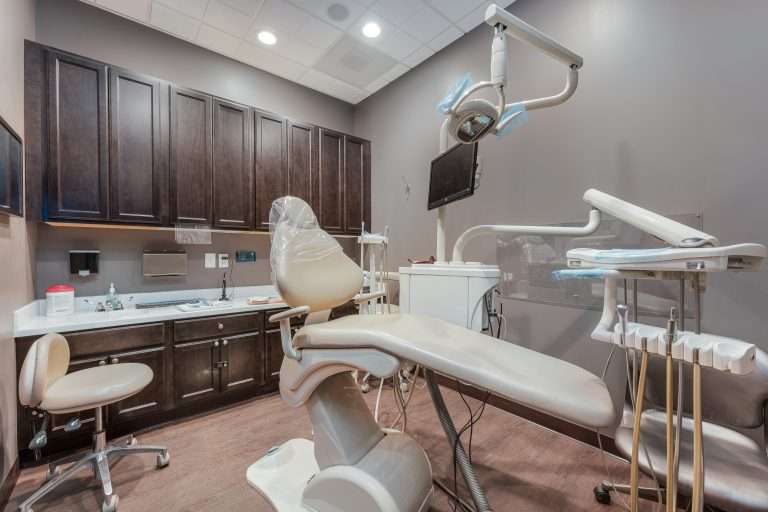
What sedation dentistry actually is
Sedation dentistry is the use of safe, carefully dosed medication to help you stay relaxed and comfortable during a dental appointment. It is not a single drug or technique. It is a category of comfort options that range from a light inhaled sedative that takes the edge off during a routine filling to an oral medication that puts you into a deeply relaxed state for a longer procedure like implant placement. The shared goal is simple: let you sit through the treatment you need without anxiety getting in the way.
Dental anxiety is extremely common. Research suggests that a significant number of adults experience some level of dental fear, and many avoid the dentist entirely because of it. That avoidance is expensive. A small cavity ignored for three years becomes a root canal. Gum disease left alone becomes extractions. The single most valuable thing sedation dentistry does is make it possible for people who have been avoiding the dentist for years to walk through the door and fix what has been going wrong. For those patients, sedation is not a luxury, it is the difference between getting care and not getting care.
The sedation options we offer
We offer a practical set of comfort options that cover the vast majority of clinical needs.
- Local anesthetic. The standard numbing medication used for virtually every dental procedure. Applied topically or injected near the tooth, it eliminates pain at the work site while you remain fully conscious. Most routine cases need nothing else.
- Nitrous oxide. An inhaled gas, popularly known as laughing gas, that provides light sedation and euphoria during the procedure. The effects begin within a few minutes and wear off completely within a few minutes of the mask coming off. You can drive yourself home.
- Oral conscious sedation. A prescription pill taken about an hour before your appointment that puts you into a deeply relaxed, drowsy state. You stay awake and responsive to verbal instructions but most patients remember very little of the procedure. You will need a responsible adult to drive you home and stay with you for several hours.
For the rare case that genuinely needs deeper sedation, such as extensive surgical work or patients with severe medical complexity, we will refer to an oral surgeon or hospital setting with IV sedation or general anesthesia capability. The honest answer is almost always that nitrous or oral conscious sedation is enough.
Who benefits most from sedation
Sedation is valuable for many kinds of patients:
- Patients with significant dental anxiety or a history of traumatic dental experiences
- Patients who have avoided the dentist for years and need to catch up on deferred care
- Patients with a strong gag reflex that makes routine work difficult
- Patients having longer or multi quadrant procedures where sitting still for hours is the hard part
- Patients undergoing surgical work like implant placement, extractions, or bone grafting
- Patients with special healthcare needs that make sitting calmly through treatment difficult
- Patients with a fear of needles, drills, or specific dental sounds
Sedation is not right for everyone. Patients with certain respiratory conditions, specific medication interactions, or active pregnancy may need a modified approach. We review your medical history carefully before we recommend anything.
Nitrous oxide in detail
Nitrous oxide, mixed with oxygen and delivered through a small nose mask, is the oldest and best studied dental sedative still in use. It has been standard in dental offices for more than a century because it works, wears off rapidly, and has an excellent safety profile. Patients describe the effect as a warm, floating calm that takes the pressure out of the appointment without making them feel drugged.
The main advantages of nitrous are speed and control. It starts working within two to three minutes, we can adjust the level up or down in real time based on how you are feeling, and when the mask comes off, oxygen flushes the gas out of your system within a few minutes. You can drive yourself back to work, back home, or wherever you need to go as soon as you leave the chair. For patients who need a light level of anxiety relief or who cannot arrange a ride, nitrous is often the right call.
Side effects are usually limited to mild nausea in a small number of patients, and this is often prevented by skipping a heavy meal beforehand. Nitrous is safe for most adults and children.
Oral conscious sedation in detail
Oral conscious sedation uses a prescription anti anxiety medication, typically from the benzodiazepine family, taken as a pill about an hour before your appointment. By the time you arrive, the medication has taken full effect and you are deeply relaxed, drowsy, and largely unconcerned with what is about to happen. The local anesthetic is then administered the way it always is, and the procedure proceeds while you rest comfortably through it.
The key advantage of oral sedation is depth. For patients whose anxiety is so severe that nitrous alone is not enough, or for longer procedures where you need to sit still and calm for hours, oral sedation is the practical solution. Most patients describe it as a surprisingly pleasant experience and many have little memory of the appointment afterward, which is often exactly what they wanted.
The tradeoffs are a longer appointment window, the need for someone to drive you home and stay with you afterward, and some grogginess for the rest of the day. For the right case, it is worth every minute. Oral sedation is particularly well suited to patients undergoing implant placement, complex extractions, or multi quadrant treatment.
Safety, monitoring, and medical screening
Every sedation case starts with a medical history review. We look at your current medications, known allergies, past reactions to sedation, respiratory and cardiac status, and any conditions that would change the risk profile. That screening is the single most important step in keeping sedation safe, and we take it seriously.
During the appointment we monitor vital signs continuously and the clinical team is trained to recognize and respond to any change in how you are doing. The medications we use are chosen specifically because they have long established safety records when used within clear dosing guidelines for conscious sedation. If anything about your case makes in office sedation less than ideal, we will say so and help you find the right setting, even if that is not our office.
How to prepare for a sedation appointment
A few practical instructions depending on which option we have planned:
- For nitrous oxide, eat a light meal two hours or so before the appointment. A heavy meal can cause nausea under nitrous.
- For oral conscious sedation, follow the specific fasting and medication instructions we give you at the consultation. Usually that means a light meal several hours before and skipping specific medications.
- For oral conscious sedation, arrange for a responsible adult to drive you to the appointment, wait with you, and drive you home. Plan on resting the rest of the day.
- Wear comfortable, loose clothing. Leave nail polish at home so we can use a pulse oximeter clearly.
- Bring a list of all current medications, supplements, and known allergies, even if we already have them on file.
Request a sedation consultation online or call us with questions. If fear has kept you from the dentist for a long time, starting with a no pressure conversation about your options is often the hardest and most valuable step.
FAQ
Frequently asked questions
Common questions about sedation options for dental treatment.
What is sedation dentistry and who is it for?
Sedation dentistry is the use of safe, supervised medications to help you relax during a dental appointment. It is for anyone whose anxiety, gag reflex, trauma history, or specific procedure makes sitting through treatment with only local anesthetic uncomfortable. It is also helpful for longer appointments where staying still and calm in the chair for an extended time would otherwise be difficult. Sedation is not about being unconscious. It is about removing the anxiety so the dentistry can happen.
What sedation options do you offer?
We offer two levels plus the local anesthetic that goes with any procedure. Nitrous oxide, also called laughing gas, is a light inhaled sedation that wears off in minutes. Oral conscious sedation is a pill you take before the appointment that puts you into a deeply relaxed state while you remain awake and responsive. For most patients, one of these two is the right fit. We do not offer IV sedation or general anesthesia in office because most cases do not need it and the risk profile is different.
Will I be asleep during sedation?
No. Both nitrous oxide and oral conscious sedation keep you awake and responsive to verbal instructions. Many oral sedation patients remember very little of the appointment afterward because the medication affects short term memory, and that amnesia is often the part patients value most. But you are not unconscious. You can communicate the whole time, and the dental team is talking with you throughout.
Is sedation dentistry safe?
Yes, when it is properly screened and monitored. We review your full medical history, current medications, and past reactions to sedation before we recommend an option. During the appointment we monitor your vitals and the dental team is trained to respond to any change in how you are doing. Both nitrous oxide and oral conscious sedation have excellent safety records in adult patients without major medical contraindications.
Do I need someone to drive me home?
If you have oral conscious sedation, yes. The medication can affect your judgment and reflexes for several hours after the appointment and you cannot safely drive. A responsible adult needs to pick you up and stay with you for a few hours at home. Nitrous oxide is different. It wears off completely within minutes of removing the mask and you can drive yourself back to work or home as soon as you leave the chair.
Will sedation cover the pain of the procedure?
Sedation and local anesthetic do different jobs. Sedation takes the edge off your anxiety. Local anesthetic numbs the tooth and tissue so the work itself does not hurt. We use both together for most sedation cases. The combination is why patients who were terrified walking in often leave surprised at how easy the visit was.
Get started
Ready to finally deal with the dental work you have been avoiding?
Bring your questions and your medical history. We will walk you through the comfort options and build a plan you can actually get through.