
Root canals
Comfortable root canal treatment
Save the tooth and relieve the pain. Modern root canal treatment is far more comfortable than its reputation, and most patients say it feels about the same as getting a filling.
What a root canal actually is
Inside every tooth there is a small chamber that contains nerve tissue and tiny blood vessels, collectively called the pulp. When the pulp is healthy, you do not feel anything from it. When it becomes infected or inflamed, usually from deep decay, a crack in the tooth, repeated dental work, or trauma, that small chamber becomes a source of significant pain and a reservoir for bacteria.
A root canal is the procedure that fixes that. Your dentist removes the damaged pulp tissue from the inside of the tooth, cleans and disinfects the now empty canal space, and then seals it permanently to keep bacteria out. The outside of the tooth is left in place, restored with a filling and usually a crown, and continues to function normally for years to come. The whole point is to save the tooth instead of pulling it.
Antibiotics alone do not solve the problem. Antibiotics cannot reach the inside of an avascular pulp chamber, so as soon as you stop taking them the infection comes right back. Removing the source of bacteria is the only durable fix, which means either a root canal to clean it out or an extraction to remove the tooth entirely.
Signs you may need a root canal
Call us promptly if you notice any of the following:
- Severe or throbbing pain in a single tooth, especially if it wakes you up at night or pulses with your heartbeat
- Lingering sensitivity to hot or cold that continues for more than a few seconds after the stimulus is gone
- Sharp pain when biting or chewing on a specific tooth
- Visible darkening or discoloration of one tooth compared to its neighbors
- Swelling or tenderness in the gum or face near the painful tooth
- A small pimple like bump on the gum, sometimes draining a bad taste, near the affected tooth
- A history of trauma to a tooth, even years ago
Tooth infections can spread into the surrounding bone and even the bloodstream if ignored long enough. They are not something to wait out. If you are in pain, call us. We reserve time every day for emergency root canal patients, and if it is after hours, our emergency line is the right next step.
What the procedure looks like
Root canal treatment at Sacramento Dentistry Group is led by Dr. Marjoorie Castro, our practice director, who studied endodontics after dental school, taught it for years, and co-authored the official endodontic manual used by general dentists in Colombia. Complex cases that many general practices refer out stay in house. Most root canals are completed in a single appointment of 60 to 90 minutes. Complex cases with curved or calcified canals may need two visits. Here is the sequence:
- Diagnosis. X-rays and pulp testing confirm the tooth and rule out other causes of pain.
- Numbing. Local anesthetic is administered slowly and given time to work fully. We always test the area before starting.
- Isolation. A small rubber dam is placed over the tooth to keep it dry, clean, and free of saliva.
- Access. A small opening is made in the top of the tooth to reach the pulp chamber.
- Cleaning and shaping. The infected pulp tissue is removed and the canals are cleaned, shaped, and disinfected with irrigating solutions.
- Sealing. The cleaned canal space is filled with gutta percha, a biocompatible rubber like material, and sealed with adhesive cement.
- Temporary or permanent filling. The access opening is closed. A permanent crown is usually scheduled for a follow up visit.
Does it hurt?
For most patients, no, and the lingering idea that root canals are uniquely painful is one of the most damaging myths in dentistry. People avoid treatment because they expect pain, suffer through serious infections instead, and eventually lose teeth that could have been saved. The pain people associate with root canals typically comes from the untreated infection, not from the procedure itself. Once you are fully numb, most patients describe the procedure as comparable to getting a large filling.
We take comfort seriously. Patients with strong gag reflexes, anxiety, or difficulty getting numb are good candidates for oral conscious sedation, which we offer in house. If you have had bad numbing experiences before, tell us up front and we will plan accordingly.
Recovery and aftercare
Most patients are back to normal activities the same day or the morning after. Mild soreness around the tooth and jaw for two to four days is normal and is usually managed with over the counter ibuprofen and acetaminophen alternated as directed. The throbbing pain that brought you in typically improves within 24 to 48 hours.
A few practical pointers for the first week:
- Avoid chewing directly on the treated tooth until your permanent restoration is placed
- Take any antibiotics as prescribed, even if you feel better
- Stick with soft foods for the first day or two if the area is tender
- Keep up with normal brushing and gentle flossing around the tooth
- Call us if pain worsens after day three, if you develop new swelling, or if your temporary filling falls out
Detailed guidance is available on our root canal post op instructions page.
Why most root canal teeth need a crown
A tooth that has had a root canal is essentially hollowed out from the inside. On front teeth with conservative access openings, that is often fine and a bonded filling is enough. On back teeth, which absorb significantly more chewing force, the structural weakness left behind dramatically increases the risk of fracture. A vertical fracture in a root canal treated tooth is usually unrepairable and means losing the tooth.
The fix is a crown. A custom crown wraps and protects the tooth and brings the long term success rate of root canal treatment up significantly. We will scan and prepare the tooth for a crown at your follow up visit, usually a week or two after the root canal once any tenderness has resolved. More on crowns.
Laser-assisted disinfection for complex cases
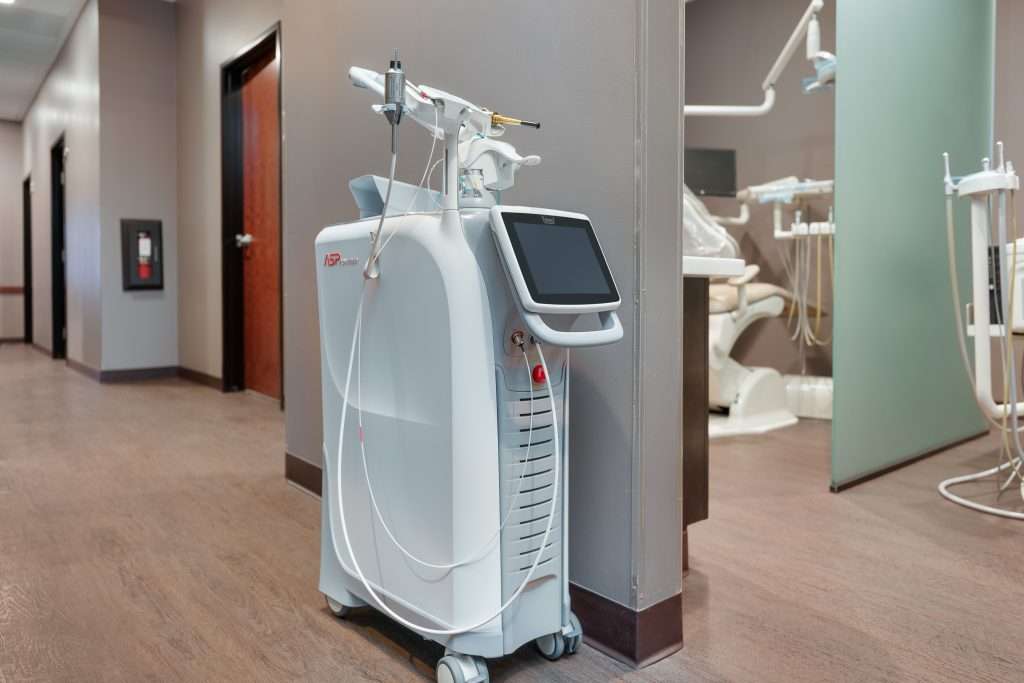
The root canal system branches into fine side canals and curves that files and syringe irrigation cannot fully reach, and bacteria that survive there are the most common reason a root canal eventually fails. For molars with complex anatomy, retreatments of previously failed root canals, and infections that will not clear, we add laser-assisted disinfection with the Fotona LightWalker. Short laser pulses activate the cleaning solution already inside the tooth and stream it through the entire canal system, reaching bacteria conventional cleaning misses. The laser never touches the tooth and adds only minutes to the visit. Read more about laser root canal treatment.
Cost and insurance
The cost of a root canal varies based on which tooth is being treated. Front teeth and most premolars have one or two canals and take less time. Molars have three or four canals and require more work. Most dental insurance plans cover root canal treatment, often at 50% to 80% after the deductible. We are in network with most major PPO plans, file claims directly, and provide written estimates before any treatment begins.
A root canal plus crown is almost always less expensive over time than extraction and implant replacement, with the added benefit of keeping your natural tooth. See accepted insurance plans, explore financing, or request an appointment online.
FAQ
Frequently asked questions
Common questions about modern root canal treatment.
What is a root canal and why would I need one?
A root canal is a procedure that removes infected or inflamed nerve tissue from inside a tooth, cleans and disinfects the empty space, and seals it to prevent reinfection. You need one when the pulp tissue inside the tooth has been damaged by deep decay, a crack, repeated dental work, or trauma. Without treatment, the infection spreads into the bone and the tooth has to be removed.
Does a root canal hurt?
For the vast majority of patients, no. Modern technique with thorough numbing makes the procedure feel about the same as getting a filling. The pain people associate with root canals is almost always coming from the infected tooth before treatment, not from the procedure itself. The procedure is what relieves the pain.
How do I know if I need a root canal?
Common signs include severe or throbbing tooth pain, prolonged sensitivity to hot or cold that lingers after the stimulus is gone, pain when biting, swelling around the tooth or in the face, a small pimple on the gum near the tooth, or visible darkening of the tooth. We use X-rays and pulp testing to confirm whether a root canal is the right treatment.
What happens during the procedure?
After numbing, we isolate the tooth, make a small access opening, remove the infected pulp tissue, clean and shape the canals with fine instruments and disinfecting irrigation, and fill the canal space with a sealing material called gutta percha. The access is then closed with a temporary or permanent filling. Most cases are completed in one visit.
How long is the recovery?
Most patients return to normal activities the same day or the next morning. Some mild soreness for two to four days is normal and is usually well controlled with over the counter ibuprofen and acetaminophen. The infection symptoms that brought you in typically improve within 24 to 48 hours.
Why do I need a crown after a root canal?
A back tooth that has had a root canal is structurally weaker than a healthy tooth and prone to fracture under chewing forces. A crown wraps the tooth and protects it from breaking. Without a crown, root canal treated back teeth fail at much higher rates. Front teeth with smaller restorations sometimes do not need a crown, but most molars and premolars do.
Get started
In pain right now?
Same day emergency appointments are usually available. Call us first thing in the morning and we will get you seen.